Monterrey’s Urban Transformation: Balancing Growth with Equity
Stakeholders and Perspectives on Gentrification in Monterrey
Social Media Perspectives on Gentrification in Monterrey
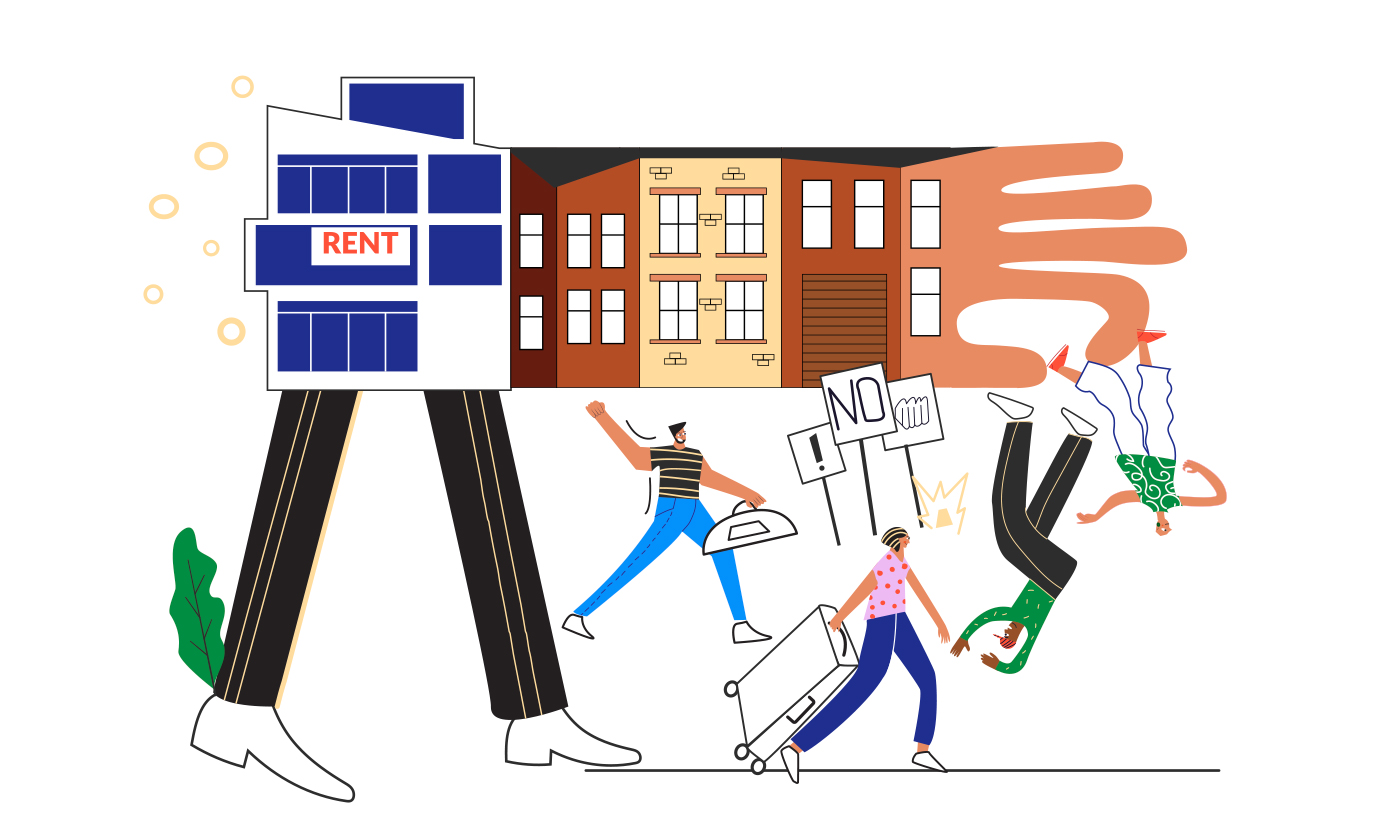
Gentrification refers to the process of urban renewal where wealthier individuals move into historically low-income neighborhoods, leading to increased property values and the displacement of long-standing residents.
This process is often associated with significant changes to the social, cultural, and economic fabric of a community. While gentrification can bring benefits such as improved infrastructure and new investments, it can also lead to rising living costs, loss of affordable housing, and the erosion of community identity.
Image from: Link
In Monterrey, Mexico, gentrification has become a contentious issue, driven by the city's economic growth and its proximity to the U.S. border. According to Arun Kumar Acharya, Monterrey's growing economy has attracted significant investment, spurring rapid urbanization.
However, as this growth has not been evenly distributed, many low-income neighborhoods remain underserved. The conflict between developers and residents is mentioned by Daniel Aguilar-Velázquez et al., who note that government policies in Monterrey have prioritized economic growth and foreign investment over the social needs of vulnerable populations.

House Being Rebuilt. Image from Google Maps. Link
Local governments in Monterrey often favor policies that attract investment and development, seeing these as ways to boost the economy. However, these policies often overlook the needs of vulnerable populations. Aarón Benjamín López Feldman discusses how business elites and real estate developers are behind much of Monterrey’s transformation. They focus on the economic benefits, like higher property values and job creation, but often ignore the social costs, such as the displacement of residents.
Link to Image: Link
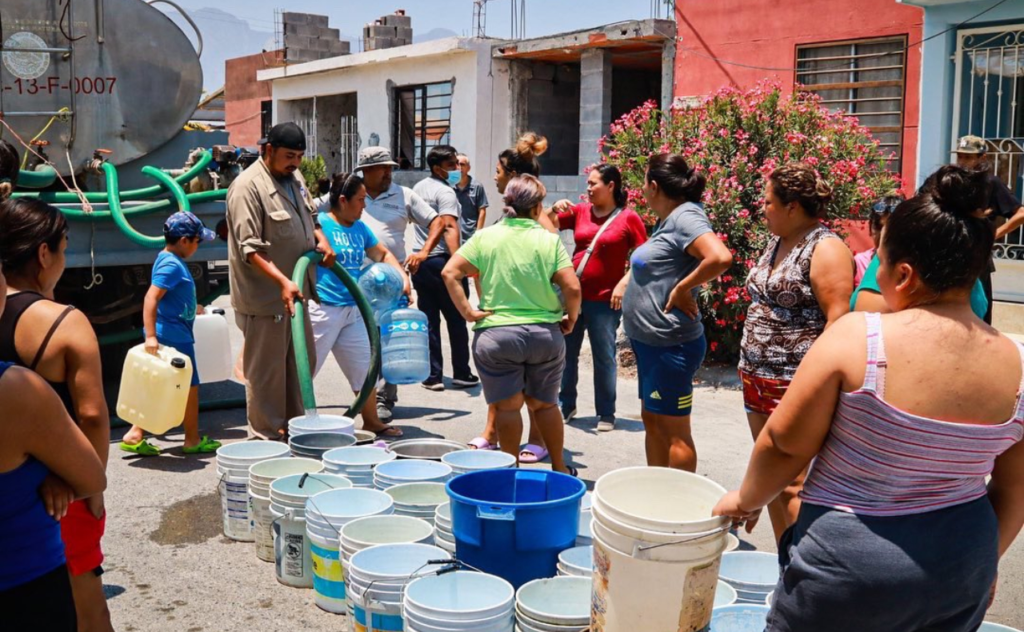
As property values rise and wealthier people move in, long-time residents in older neighborhoods face the risk of displacement. Mario Alberto Jurado Montelongo and Rebeca Moreno Zúñiga explain that gentrification leads to higher housing costs and social tension. Often, local communities have little say in the development process, and their concerns are drowned out by the interests of developers and policymakers.